Parker Franke · 1 September 2026
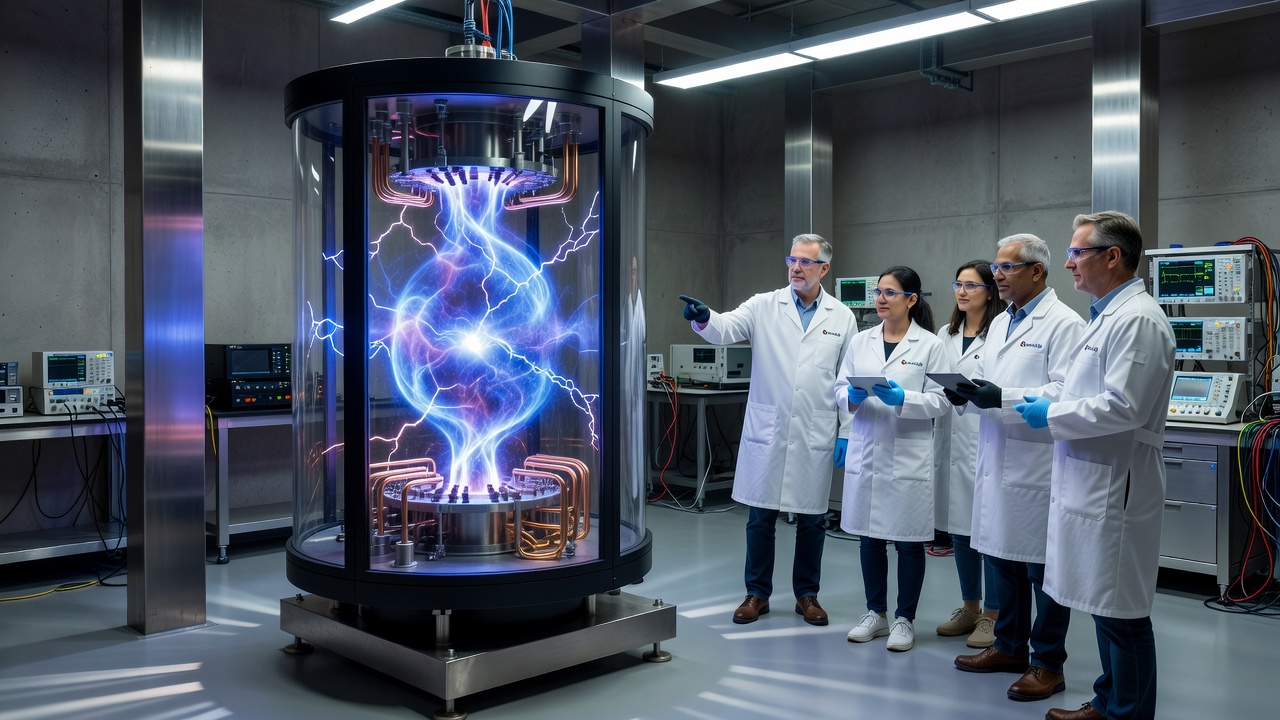
Sparklab Experimental Innovations has introduced a novel spark plasma technology designed to enhance material processing efficiency across multiple industrial sectors. The system utilises pulsed electric currents and simultaneous pressure to achieve rapid sintering of advanced materials at lower temperatures than conventional methods.
Technical Specifications and Process
The new apparatus operates by generating controlled plasma discharges within a vacuum chamber, allowing precise manipulation of particle bonding. Researchers report sintering times reduced by up to 70 percent while maintaining microstructural integrity in ceramics and metal composites. Energy consumption measurements indicate a 40 percent decrease compared with traditional hot pressing techniques. Laboratory trials have successfully processed titanium alloys, silicon carbide, and nanostructured composites without the formation of unwanted phases. The technology incorporates real-time monitoring sensors that adjust current density and pressure parameters automatically during operation.
Development involved collaboration with UK universities specialising in plasma physics and materials science. Safety features include automated shutdown protocols and electromagnetic shielding to protect operators. Scalable designs range from benchtop units for research to industrial modules capable of handling components up to one metre in diameter.
Potential Applications and Benefits
Industries including aerospace, automotive, and renewable energy stand to benefit from improved component durability and reduced manufacturing waste. Early adopters in the UK have expressed interest in producing lightweight engine parts and high-performance battery electrodes. Environmental assessments highlight lower carbon emissions due to shortened processing cycles and decreased reliance on high-temperature furnaces. Further studies are underway to explore integration with additive manufacturing workflows. Sparklab plans to release technical documentation and training programmes for prospective users within the coming months.