Ben Schmitt · 17 October 2026
International Research Networks Map Spark Erosion Dynamics in Aerospace and Energy Systems
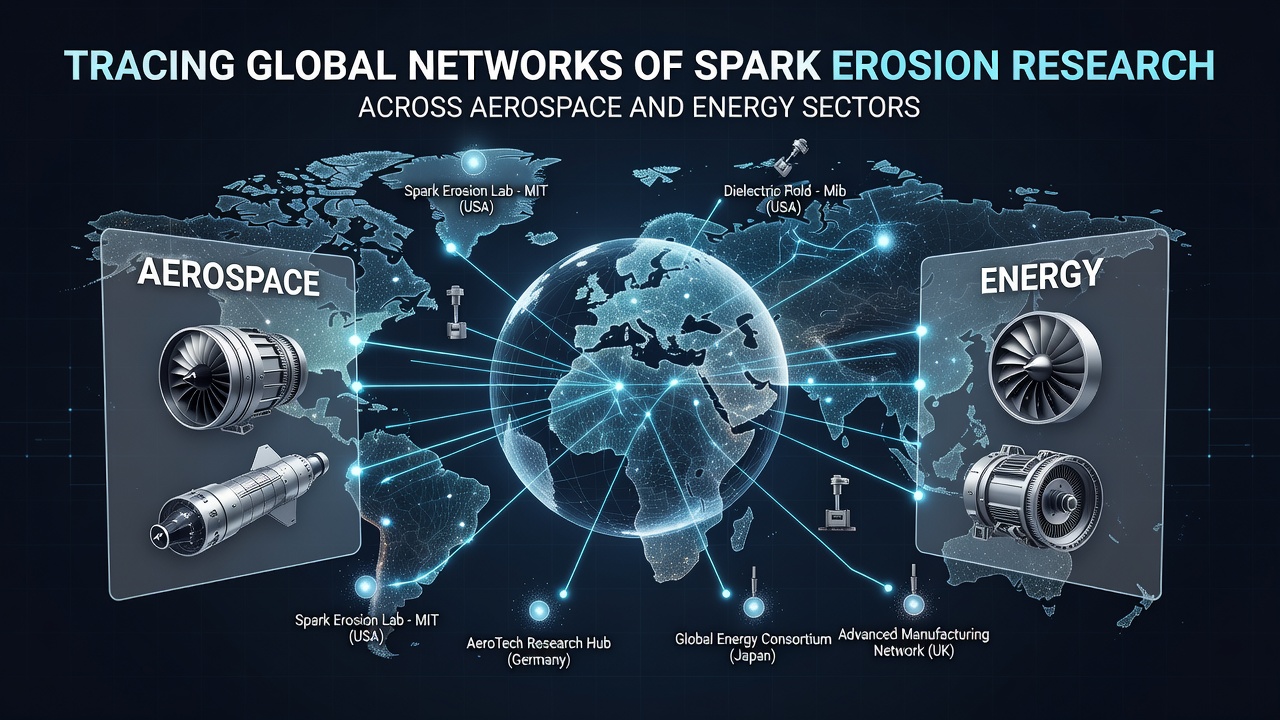
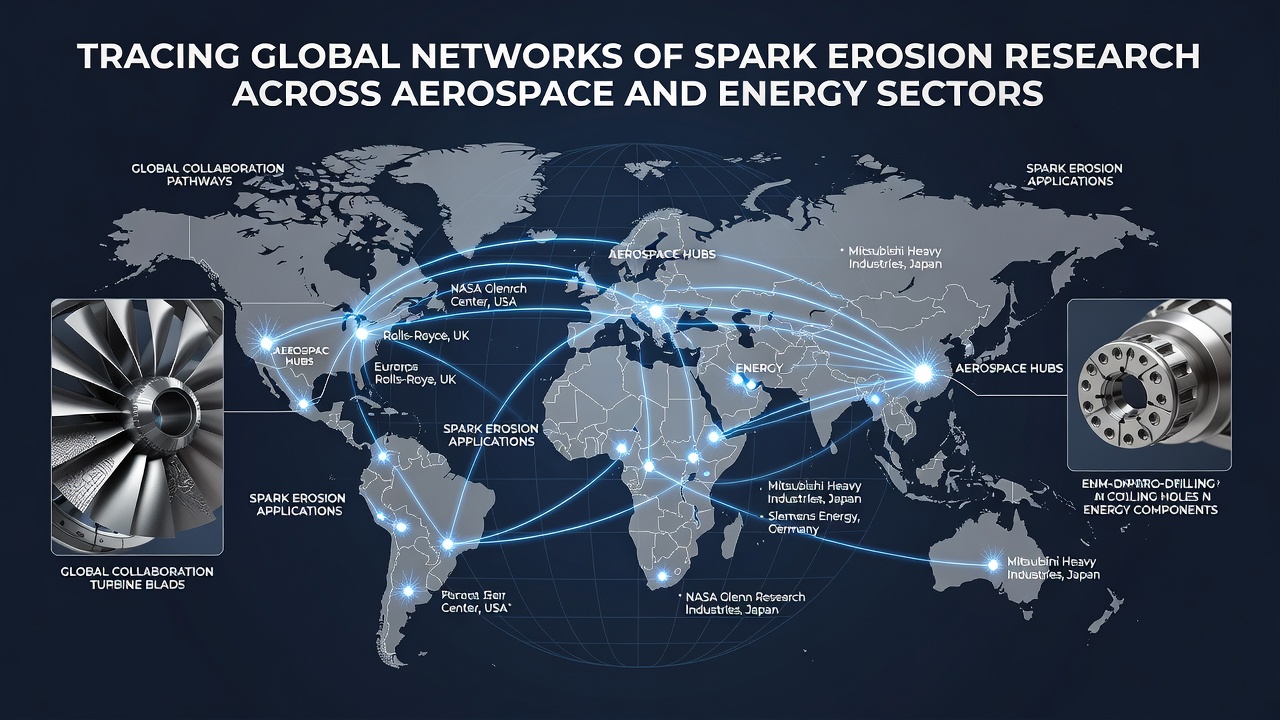
Researchers across multiple continents coordinate efforts to trace spark erosion patterns that affect high-performance components in jet engines and power turbines, and these collaborations draw on data from laboratory simulations combined with field measurements from operational sites. Teams in North America, Europe, and Asia exchange findings on material degradation caused by repeated electrical discharges, while aerospace manufacturers supply test specimens that mirror conditions inside combustion chambers operating at elevated temperatures and pressures.
Aerospace Sector Investigations
Engine components in commercial and military aircraft experience spark erosion when electrical arcs form between metallic surfaces during high-voltage events, and studies document how titanium alloys and nickel-based superalloys lose surface integrity over thousands of flight cycles. Data collected from European test facilities show erosion rates increasing under variable atmospheric pressures that occur during rapid altitude changes, whereas North American programs focus on coating technologies that reduce arc attachment points. Observers note that joint projects between propulsion laboratories and universities have produced standardized measurement protocols now adopted by several certification bodies.
One program at a Canadian research center analyzed erosion on turbine blades removed from engines after 5,000 hours of service and compared those results against accelerated laboratory tests conducted at 800 degrees Celsius. Findings revealed that certain ceramic coatings delayed the onset of measurable material loss by approximately 30 percent, and researchers shared these results through an online repository maintained by an international aerospace standards group.
Energy Sector Applications
Power generation equipment in gas turbine plants and certain nuclear auxiliary systems encounters similar erosion challenges when electrical transients occur during load fluctuations. Teams in Australia and Japan have examined spark-induced pitting on stainless steel and cobalt-chromium alloys used in valve seats and heat exchanger tubes, adn their measurements indicate that erosion depth correlates strongly with the frequency of arc events rather than total operating hours. A 2025 report from an Asia-Pacific energy research consortium documented average pit depths of 12 micrometers after 2,000 transient events in simulated steam environments.
Researchers connect these observations to broader grid stability questions because unplanned outages sometimes trace back to component surfaces weakened by repeated micro-discharges. European energy agencies have begun incorporating spark erosion metrics into maintenance scheduling models, while parallel work in the United States examines how different fuel compositions alter arc behavior inside combustion turbines.
Collaborative Networks and Data Sharing
Cross-border partnerships rely on shared databases that compile erosion rates, material compositions, and operating parameters from dozens of sites, and participants update these repositories quarterly. A network linking laboratories in Germany, Singapore, and Brazil uses common software to model arc physics and predict erosion progression under varying voltage waveforms. In October 2026 several of these groups plan to release a joint dataset covering more than 150 distinct alloy-coating combinations tested under standardized discharge conditions.
Academic institutions contribute theoretical models that describe how plasma channels form and expand at material interfaces, and industry partners supply real-world validation through sensor-equipped components installed in operating engines and turbines. These exchanges occur through annual workshops and secure digital platforms rather than traditional journal publications alone, allowing faster iteration on protective surface treatments.
Measurement Techniques and Standards
Advanced imaging methods, including high-speed cameras and laser profilometry, capture erosion progression at microsecond timescales, and researchers calibrate these tools against weight-loss measurements taken before and after controlled discharge sequences. Standards organizations in multiple regions have aligned on protocols that specify electrode geometry, pulse duration, and environmental controls so results from different laboratories remain comparable. Data from these standardized tests feed into simulation software that helps engineers select materials for next-generation designs.
Conclusion
Global research networks continue to expand the collective understanding of spark erosion mechanisms that influence component longevity in both aerospace propulsion and energy generation systems, and the coordinated collection of laboratory and operational data supports improved predictive tools. As testing programs advance through 2026 and beyond, participating institutions maintain open channels for sharing updated findings that inform material selection and maintenance practices across the two sectors.