Willa Jenkins · 19 September 2026
Arc Erosion Challenges in Aircraft Propulsion Systems Under Shifting Global Regulations
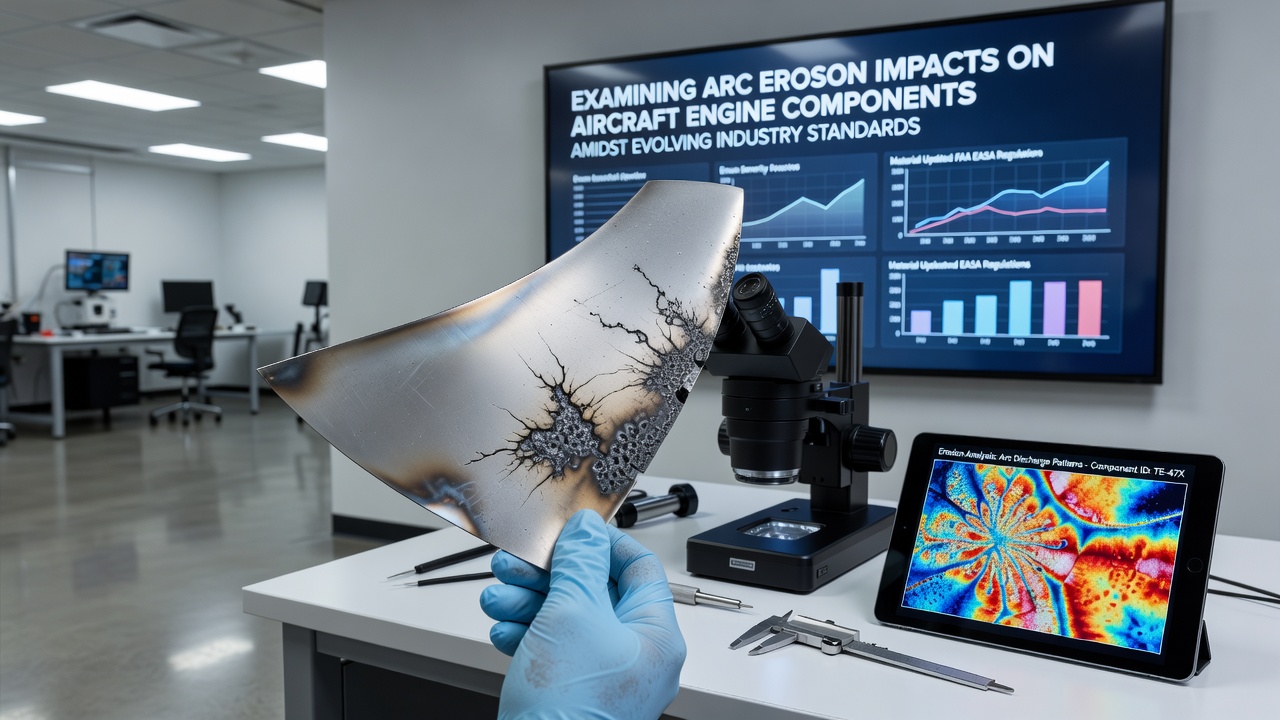
Arc erosion occurs when electrical discharges remove material from metal surfaces in engine parts, and this process has drawn increased attention as aircraft manufacturers update designs to meet new performance thresholds. Data from multiple testing facilities show that repeated arcing events degrade components such as ignition contacts, turbine blades with embedded sensors, and electrical connectors in high-temperature zones. Engineers track these changes because even small material losses can alter airflow patterns and reduce overall engine efficiency over time.
Material Loss Mechanisms in Operational Environments
Researchers have documented how arc erosion accelerates under conditions of high voltage, vibration, and temperature cycling typical in commercial jet operations. Studies conducted at European aerospace labs indicate that each discharge event can vaporize microscopic amounts of alloy, and cumulative effects become measurable after several thousand flight hours. Observers note that nickel-based superalloys used in modern turbines resist erosion better than older titanium grades, yet they still exhibit pitting when exposed to sustained electrical activity from onboard systems.
One investigation at a Canadian research center tracked erosion rates across different engine models and found that components near high-energy ignition circuits suffered the most rapid surface recession. These findings align with data released by Transport Canada, which tracks maintenance records showing increased inspection intervals for electrical interfaces in certain fleets. The patterns emerge clearly when operators compare pre- and post-flight measurements of contact gaps and surface roughness.
Regulatory Updates Taking Effect in September 2026
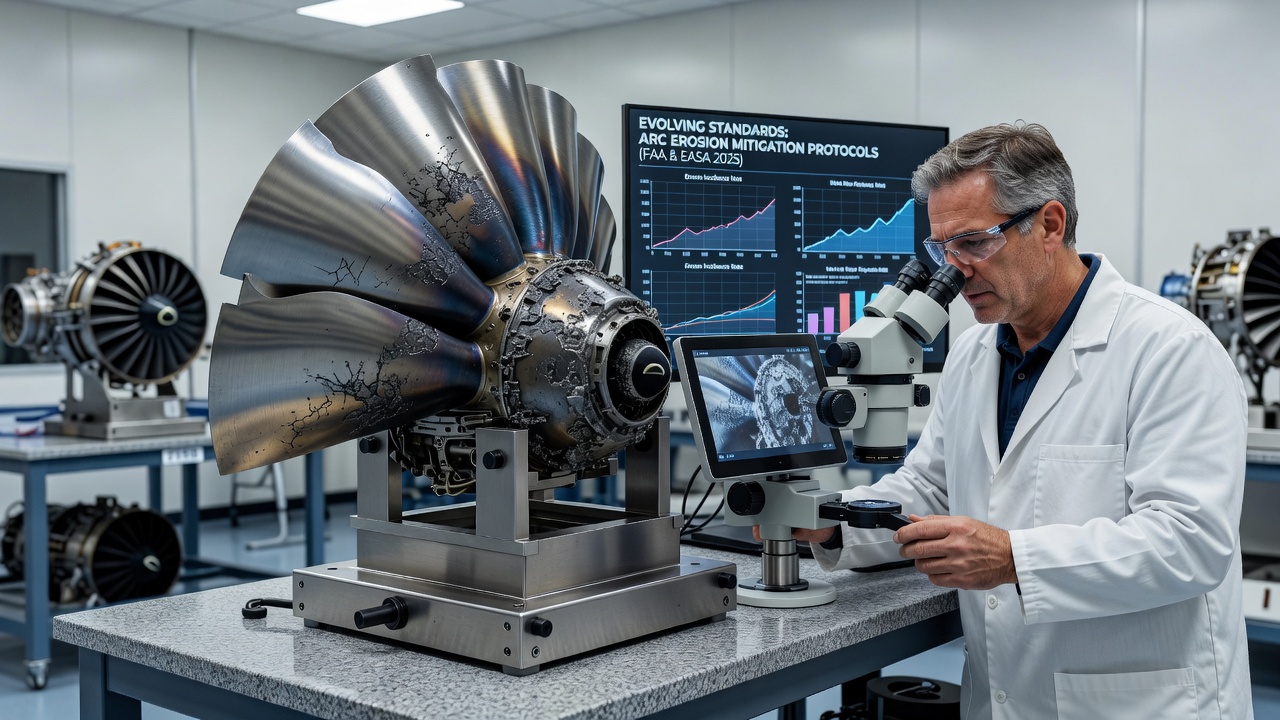
Industry standards continue to evolve as agencies incorporate new test protocols for electrical wear. Starting in September 2026, the European Union Aviation Safety Agency will require additional endurance testing on engine electrical subsystems during certification renewals. These rules build on existing EASA documents that already specify minimum material thickness after simulated arc exposure cycles.
Meanwhile, the Federal Aviation Administration has circulated draft guidance that references similar metrics, though the timeline for full implementation remains under review. Manufacturers preparing for these changes have begun integrating real-time erosion sensors into prototype engines to gather baseline data ahead of the deadline. Figures from recent certification submissions reveal that engines passing the updated protocols demonstrate 15 to 20 percent less material loss in standardized arc exposure tests compared with earlier designs.
Testing Protocols and Data Collection Practices
Current evaluation methods combine accelerated laboratory arcing with full-scale engine runs to predict long-term behavior. Australian Defence Science and Technology Group reports describe how they apply controlled voltage pulses to sample coupons while monitoring mass loss through precision weighing and surface profilometry. Such approaches allow teams to isolate variables like current density and gas composition that influence erosion severity.
Academic teams at several universities have contributed complementary research by modeling plasma behavior during arcing events. Their simulations help explain why certain surface treatments, including specific coatings applied through physical vapor deposition, extend component life under repeated discharge conditions. Data shared through collaborative databases show consistent correlations between coating thickness and reduced erosion depth across multiple alloy types.
Maintenance Implications for Operators
Fleet managers now incorporate arc erosion checks into scheduled maintenance programs as part of broader reliability initiatives. Records from major carriers indicate that targeted inspections of electrical interfaces have helped identify early-stage damage before it progresses to more critical stages. Replacement criteria have tightened in line with the forthcoming regulatory expectations, and parts tracking systems log cumulative operating hours alongside measured wear parameters.
Training programs for maintenance crews have expanded to include recognition of characteristic erosion patterns on contacts and connectors. Visual aids and measurement tools distributed through industry groups assist technicians in distinguishing arc-related degradation from other wear mechanisms such as fretting or thermal fatigue. These practices support consistent decision-making when components approach their service limits.
Conclusion
Arc erosion continues to influence design choices and maintenance strategies across the aviation sector as new standards approach implementation. Ongoing data collection from both laboratory and operational sources provides the foundation for refined test methods and material selections that address these challenges directly. Organizations monitoring the September 2026 regulatory milestones have already adjusted development timelines to ensure compliance while maintaining engine performance targets.